
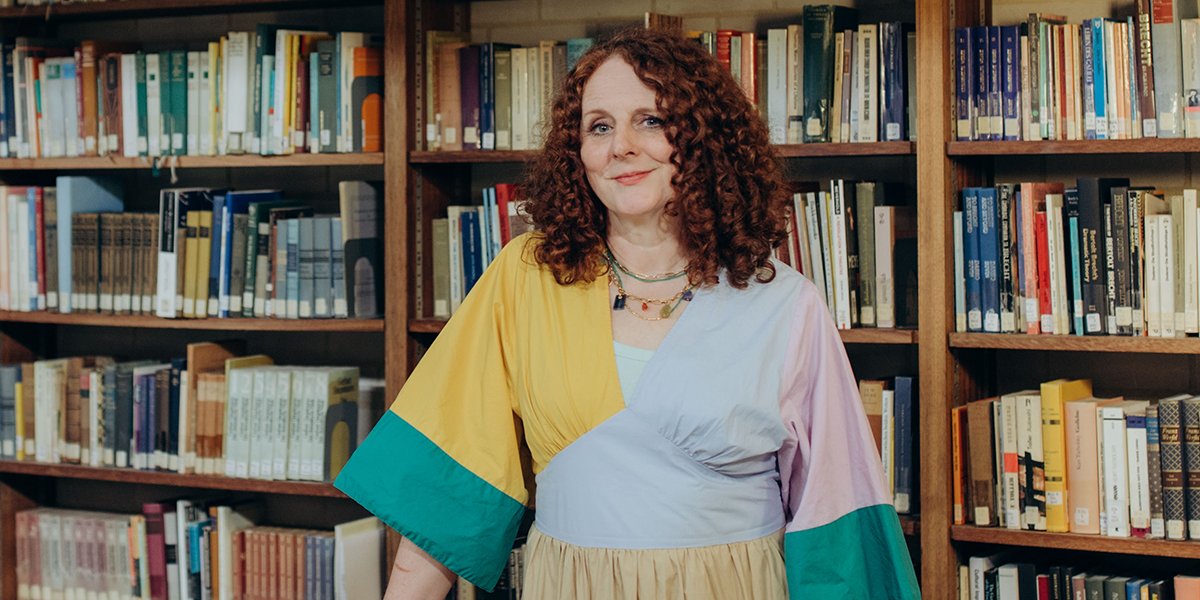
Maggie O’Farrell (New Hall 1990) Wrote the Novel that Made Oscar History
Photo Credit: Dasha Tenditna
Novelist and Cambridge alumna Maggie O’Farrell took a turn on the legendary red carpet this month. The Irish-British author received an Academy Award nomination for Best Adapted Screenplay for co-writing the film adaptation of her historical novel, Hamnet. Although the Oscar did not go to O’Farrell and co-writer, the movie's director Chloé Zhao, they did win bragging rights when Jessie Buckley became the first Irish woman to win the Best Actress Oscar for her portrayal as Agnes.
An effusive Buckley thanked both O’Farrell and Zhao for writing the “incandescent” character of Agnes.
Well before the 2020 publication of Hamnet, which that year won the Women’s Prize for Fiction and was chosen as Waterstones’ Book of the Year, O’Farrell was an accomplished and highly decorated writer of several acclaimed novels.
Hamnet explores the grief of William Shakespeare and his wife Anne (Agnes) Hathaway, after losing their son, Hamnet, at just 11 years old. The film was a hit and award magnet, nominated for six Golden Globe Awards, including Best Picture, Best Director, and Best Screenplay and winner of the Golden Globe for Best Motion Picture Drama. Jessie Buckley also won the Golden Globe for Best Actress in a Motion Picture - Drama - for her role as Agnes.
Maggie said of the nominations: "I’m over the moon to have been nominated, alongside Chloé, for this award. I wrote the novel because I wanted more people to know about the existence of the boy, Hamnet, and his connection to Shakespeare’s masterpiece, Hamlet. Turning the book into a film has meant another iteration of this story, and I couldn’t have asked for more talented and dedicated collaborators. Everybody involved in the film did an incredible job and it’s wonderful to see their talent reflected in these nominations."
Murray Edwards College founded as New Hall celebrated the successes of one of its many famous alumnae, posting “We cannot overstate the impact that Maggie’s writing has had on our students. In an era where creative and literary jobs are under threat, Maggie’s work emphatically reminds us why these industries are so necessary. Her introspective and lyrical style of writing identifies and articulates emotional experiences that resonate widely but so often go unacknowledged. She has inspired a generation of new storytellers here at Murray Edwards, each of whom hopes to use their craft to help and heal others in the same way. “
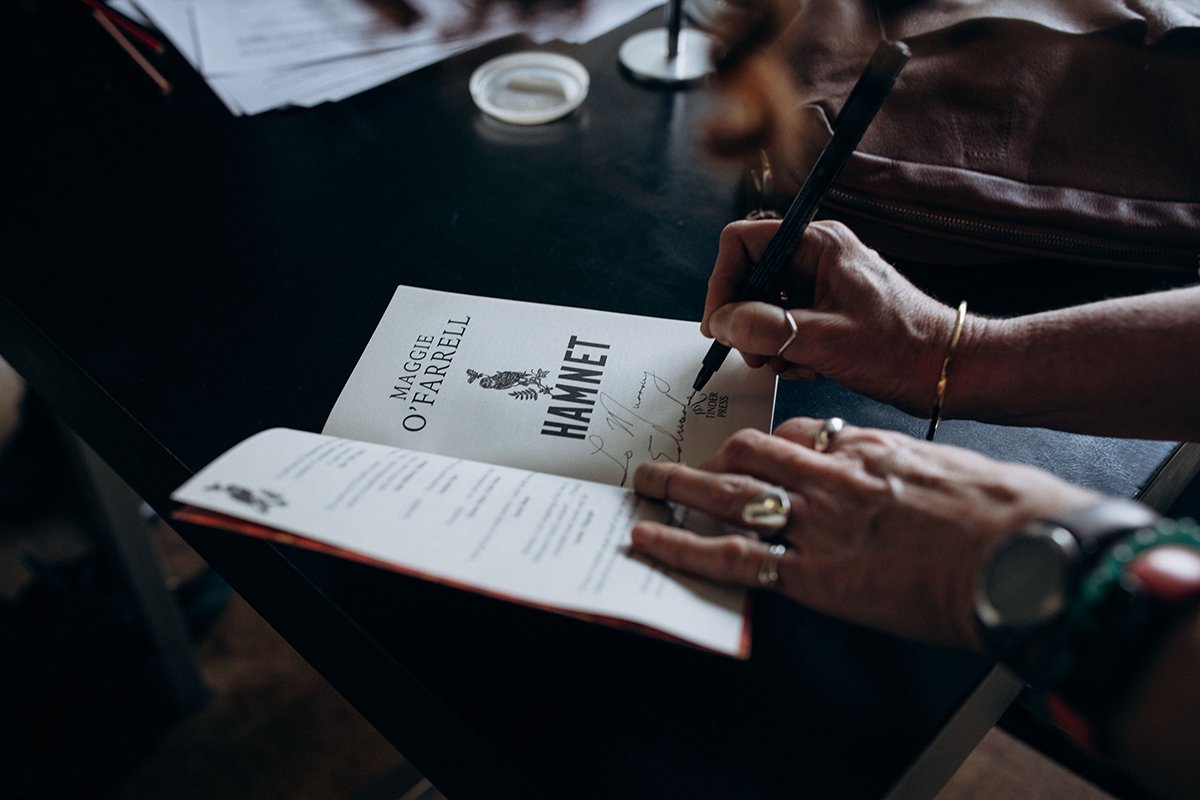
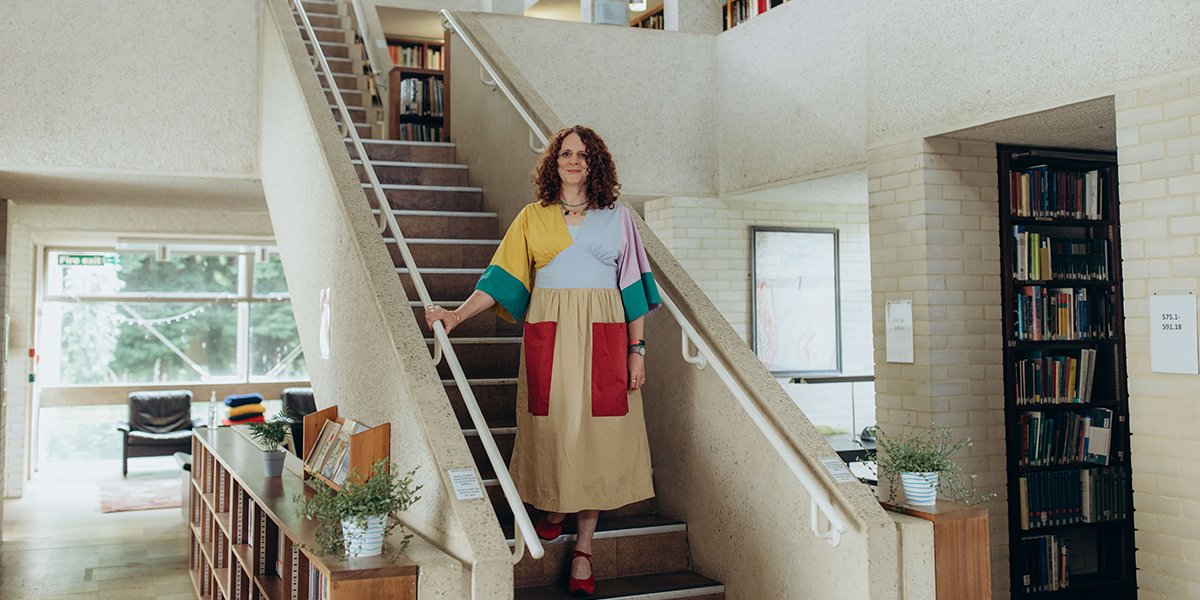
Novelist Maggie O'Farrell (New Hall 1990) at Rosemary Murray Library during a recent visit.